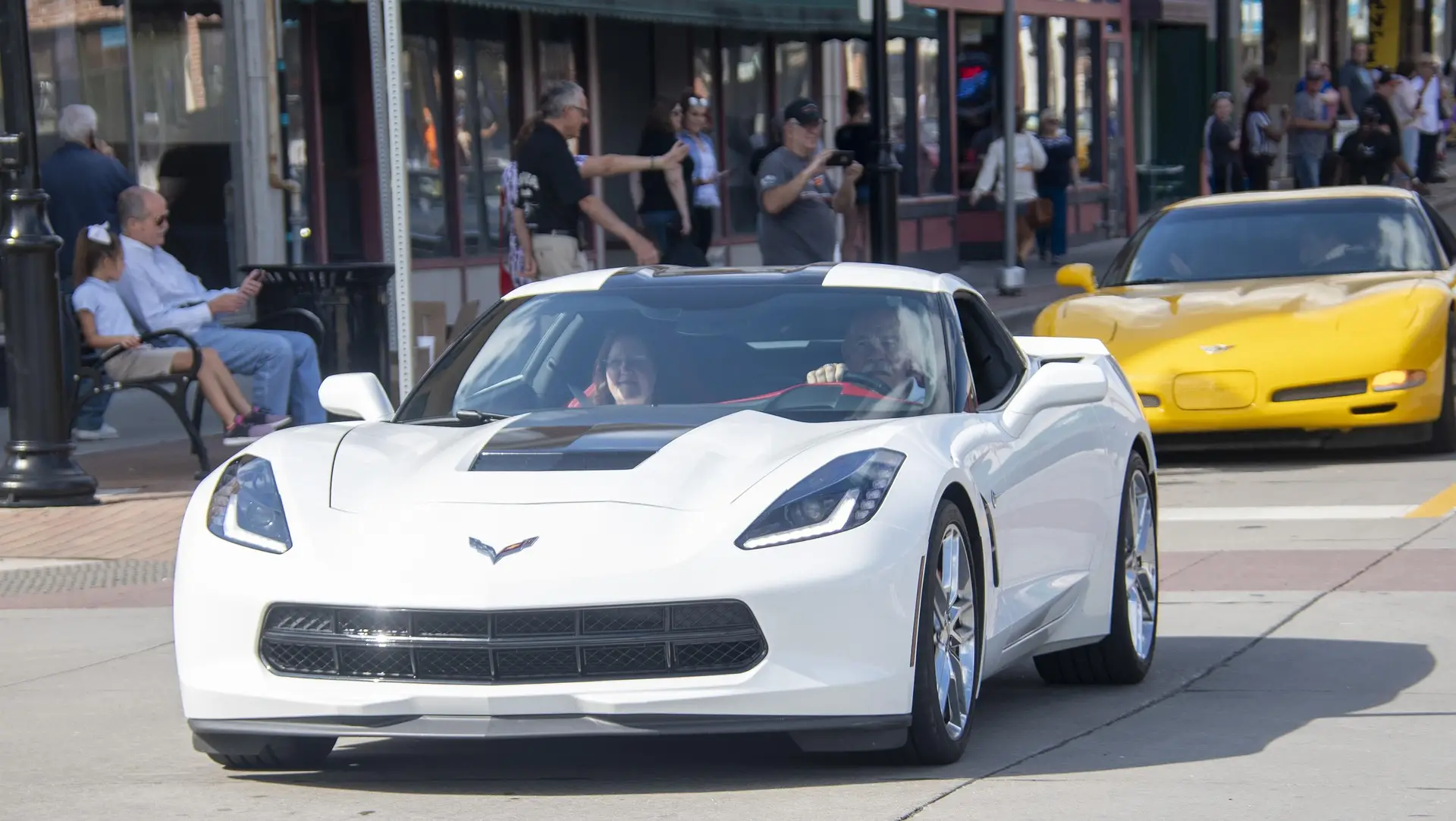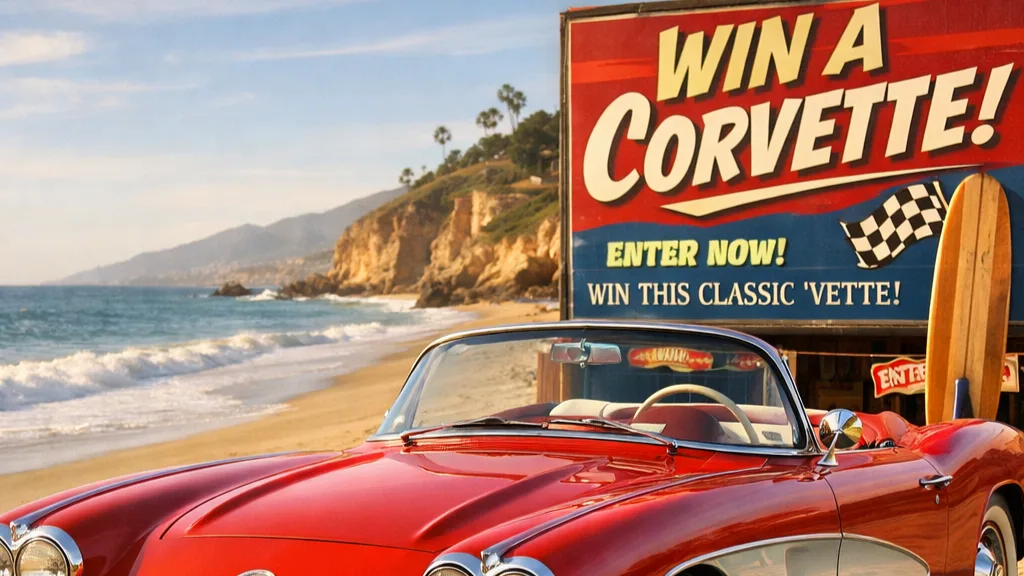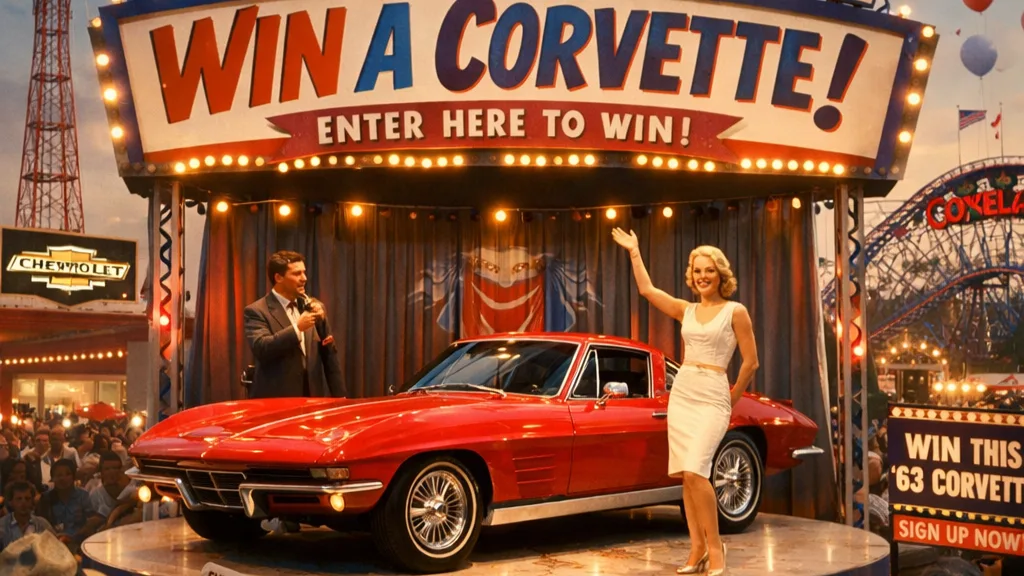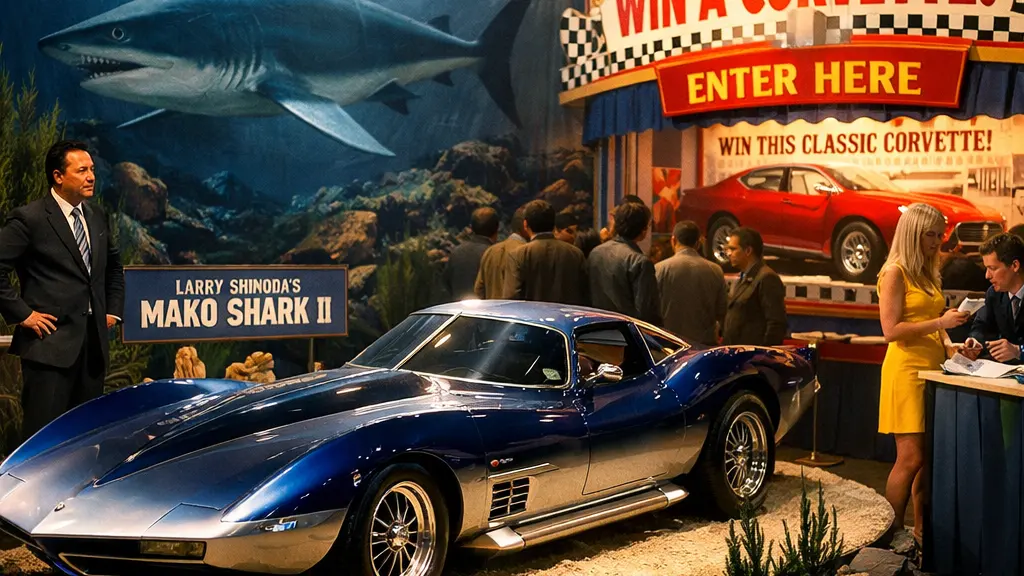
The Chevrolet Corvette rolled out of Flint, Michigan in 1953 and has never stopped—eight generations, no domestic rivals left standing. It nearly didn't happen. Chevrolet was bleeding market share, and brand manager Thomas Keating saw a sports car as the only remedy. The answer was fiberglass over a 3.9-liter straight-six, two-speed automatic— America's answer to the lean British roadsters of the postwar years. It debuted at GM's 1953 Motorama in Waldorf-Astoria, made it to production, and promptly sold almost none of its 300 hand-assembled units. A quiet, uncertain beginning for what would become America's sports car.
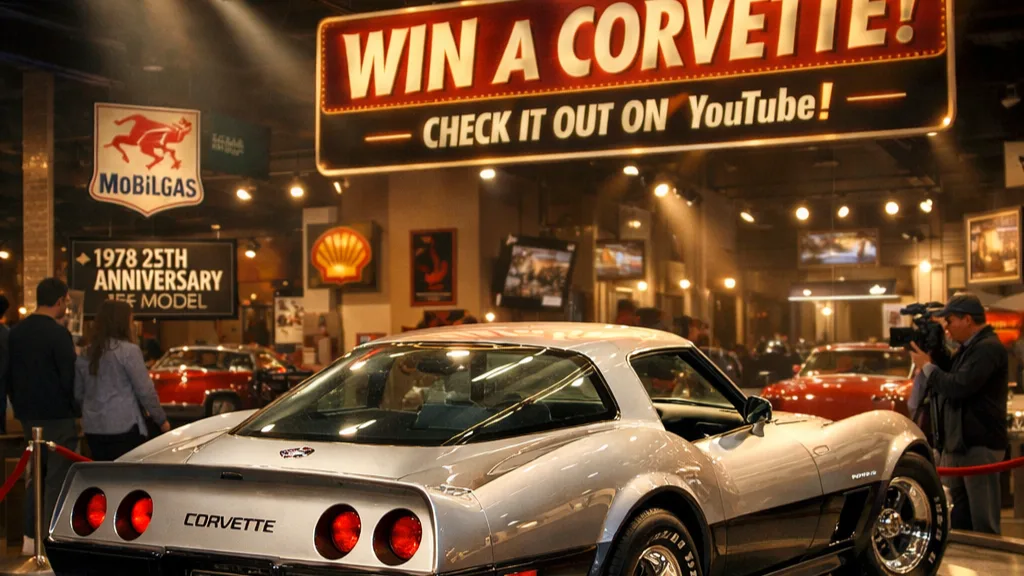
1978–1982: Big Booty Martin Snytsheuvel marks the Corvette's 25th anniversary like a man with something to prove. The 1978 model gets a sweeping fastback rear end—all glass, no apologies—that doesn't open but carves out a proper luggage area behind the seats and makes the car look like it's already doing 90 standing still. Chevy strong-arms the '78 into pacing the Indy 500, then stamps out 300 replica pace cars for the public, because why not. 1979: five more horses. The strongest engine now throws 225 horsepower through a 3,480-pound body that hits 60 in 6.6 seconds and tears through the quarter mile in 15.3 at 95 mph. Editor Rich Ceppos calls it the most refined Corvette ever built and tells fans to buy now or forever hold their peace. He's not wrong, but he's not entirely right either—the Porsche 924 and Mazda RX-7 both draw blood in a six-car shootout. The Corvette does manage to put away the Alfa Romeo Spider Veloce, the Datsun 280ZX, and the Fiat Spider 2000, which is either a victory or a warning, depending on your disposition.