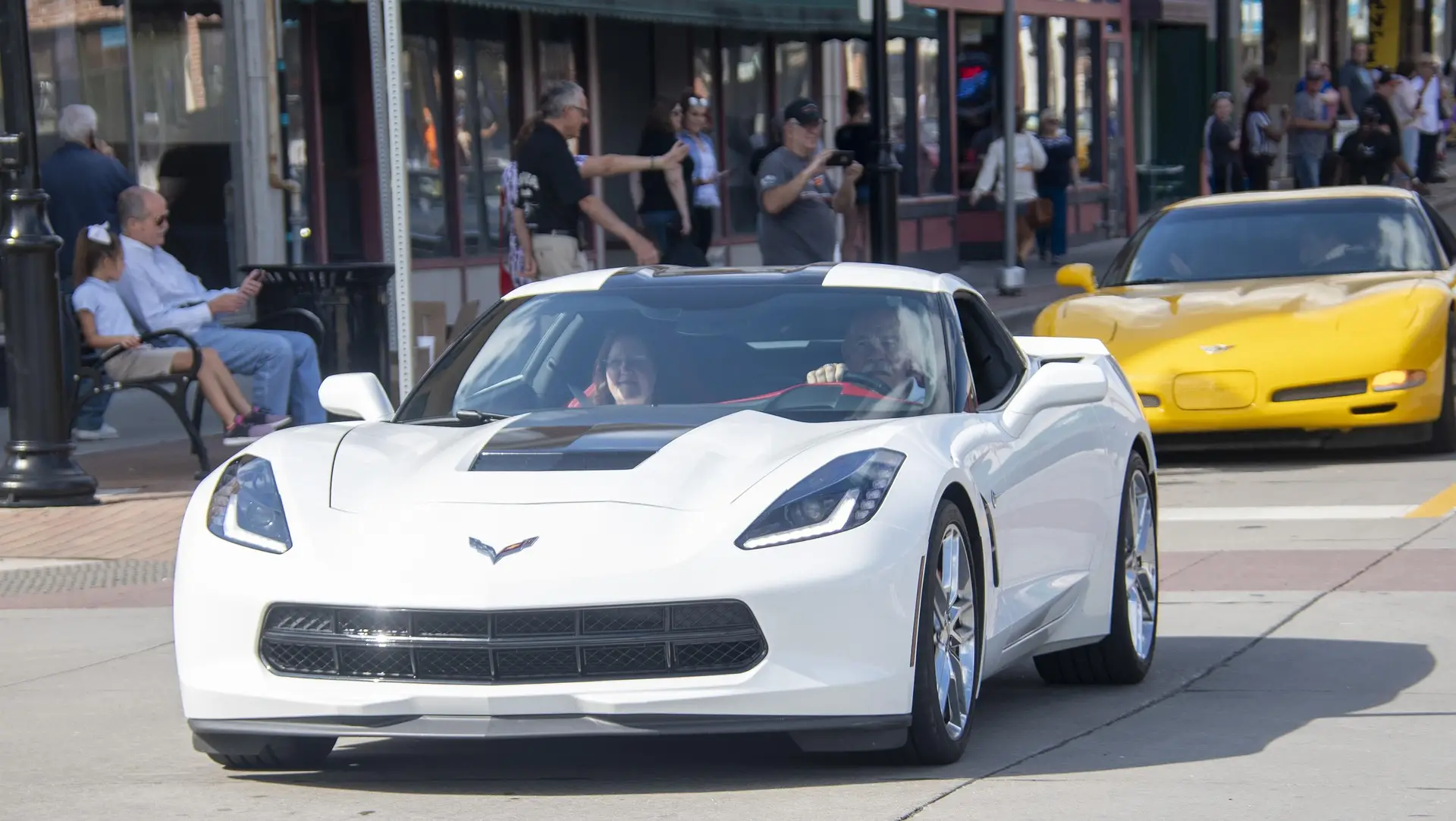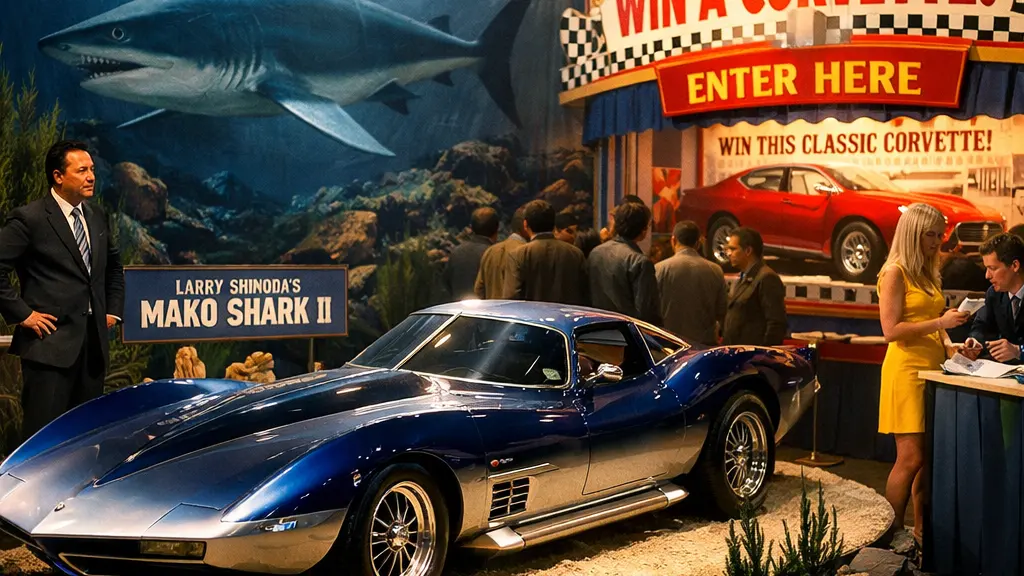
The Chevrolet Corvette rolled out of Flint, Michigan in 1953 and has never stopped— eight generations, no domestic rivals left standing, the only sports car still continuously produced on American soil. It nearly didn't happen. Chevrolet was bleeding market share, and brand manager Thomas Keating saw a sports car as the only remedy. Developed as Project Opel, it was America's answer to the lean British roadsters of the postwar years: fiberglass over a 3.9-liter straight-six, two-speed automatic. It debuted at GM's 1953 Motorama show in the Waldorf-Astoria to an immediately won-over crowd and made it to production—though the 300 hand-assembled units that followed found almost no buyers, a quiet, uncertain beginning for what would become America's sports car.
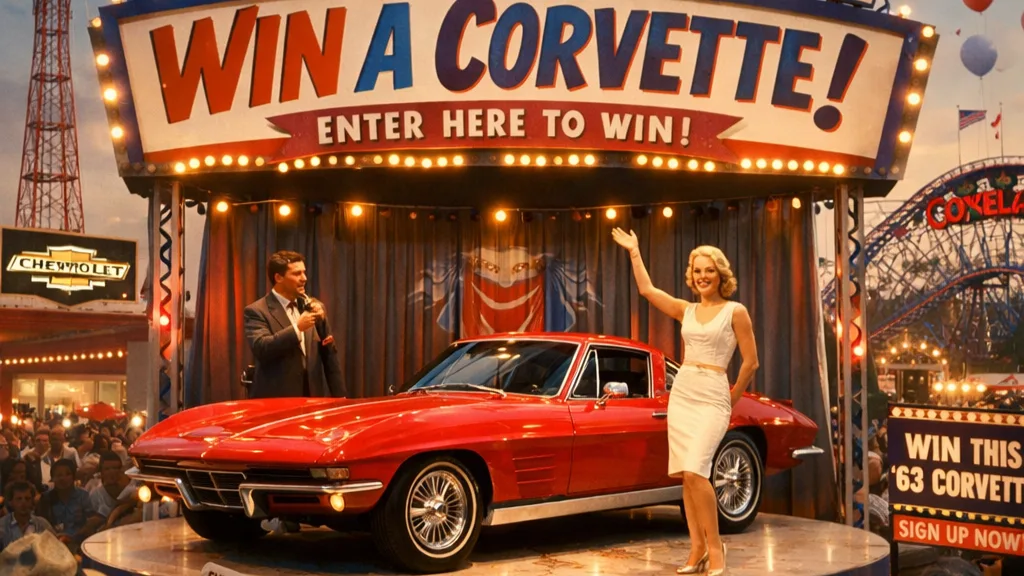
For 1963, Chevrolet unveils a completely redesigned Corvette. The second-generation model, affectionately called the Sting Ray, brings independent rear suspension and a new coupe body style to the lineup. Fiberglass construction continues, and the coupe's distinctive split rear window is exclusive to this first year. The carried-over 327 V-8 pairs with either an automatic or a three- or four-speed manual, though in our original test, we made no secret of our opinion that only the four-speed manual belonged in the car.
For buyers with racing ambitions, Chevrolet offers Regular Production Option Z06. The package equips the car with a vacuum brake booster, dual master cylinder, sintered metallic power drum brakes, heavier shock absorbers, and a stiffer front anti-roll bar. Available only with the top 360-hp V-8—against a standard 250—and the four-speed manual, RPO Z06 found its way onto just 199 Corvettes that year.